Mouth Fresheners (Mukhwas & Paan)
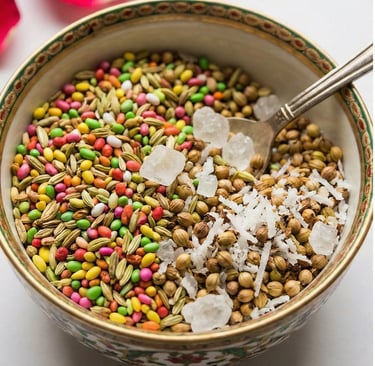
In India, mouth fresheners are called Mukhwas, which are edible after-meal preparations made from the words "mukh," meaning mouth, and "vas," meaning fragrance.
HM NOTES
Palate cleansing is the process of getting rid of the meal's strong, lasting flavors, especially those of onions, garlic, and strong spices.
Digestive Aid: The majority of chemicals are carminative, which means they are supposed to aid in digestion and avoid bloating or gas.
A host's last gesture of hospitality is to offer a mouth freshener, which signifies the conclusion of the meal and wishes the guest comfort and well-being. It is a must for good Indian food that cannot be compromised.
Mouth fresheners are typically offered in two forms: prepared leaves (Paan) or loose mixtures (Mukhwas).
A) The Mixture, or Mukhwas
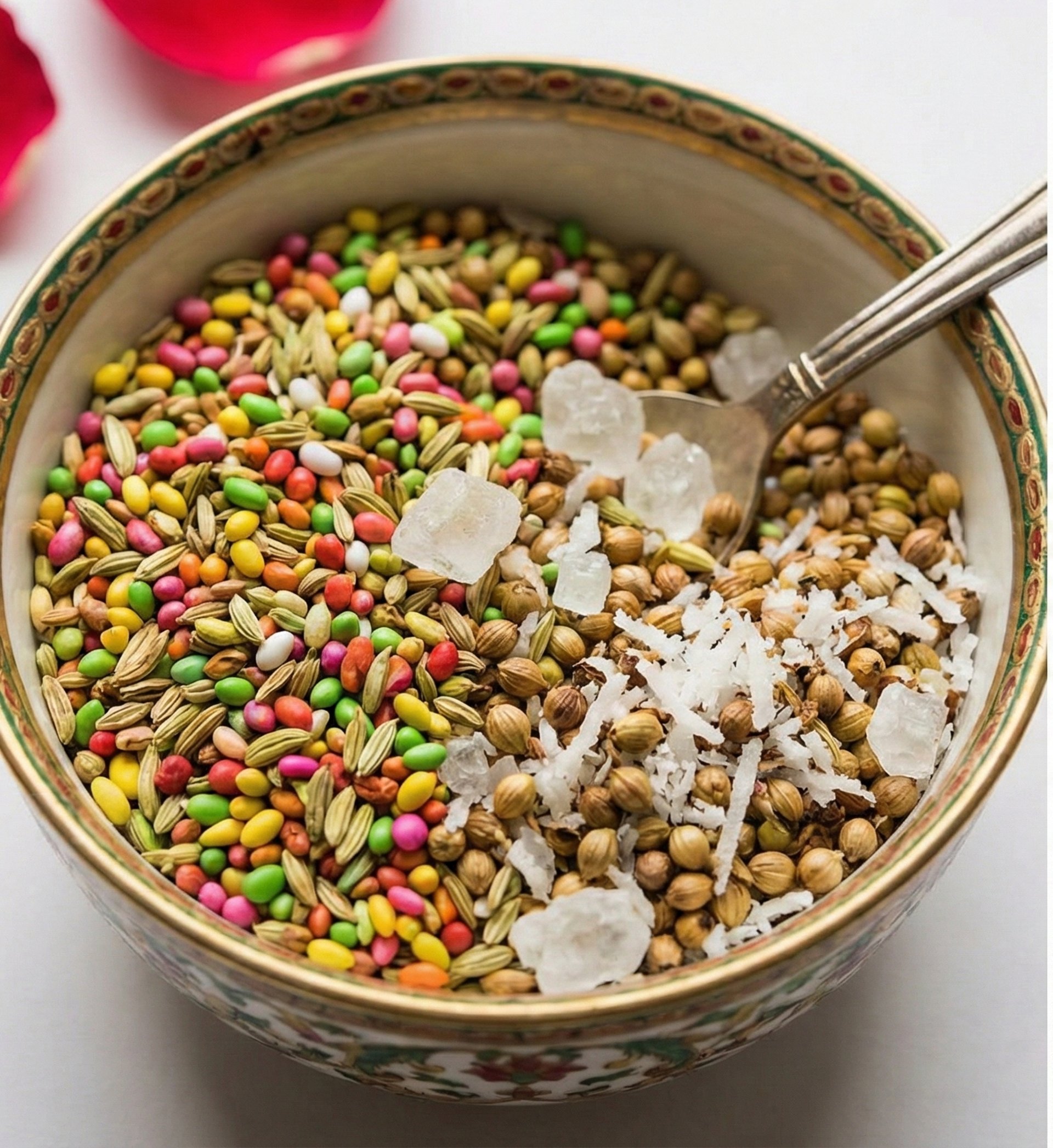
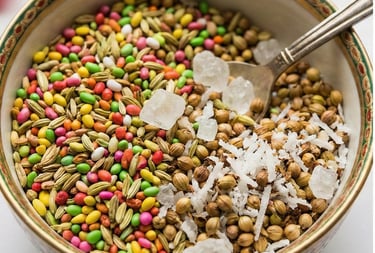
The most popular kind is a dry mixture of different nuts, seeds, and crystals. Sweet, savory, cooling, and aromatic aromas are all present in a well-balanced mukhwas.
Notes:-
Storage: Mukhwas must be stored in a completely airtight container to prevent it from losing its aroma and absorbing moisture.
Presentation: Typically served in a decorative bowl with a small spoon or in a compartmentalized mukhwas box.
Placement: Can be presented at the table with the bill/check or offered in a larger bowl at the restaurant's exit.
B) Paan (The Betel Leaf)
Paan is the premium, freshly prepared version of a mouth freshener. It is an experience in itself and often requires a dedicated counter or specialist (paanwala).
Definition: An edible preparation made by folding various fillings inside a fresh betel leaf (Piper betel).
Key Components:
The Leaf: The betel leaf provides a unique, peppery, and fresh flavor.
The Spreads:
Kattha (Catechu): An astringent paste that gives the characteristic red color when chewed.
Chuna (Slaked Lime): A calcium hydroxide paste used in tiny amounts to activate the compounds in the leaf and kattha.
The Fillings:
Sada Paan (Plain/Savory): Contains areca nut (supari) and sometimes tobacco. This is NOT served in restaurants. (Note:- Tobacco is injurious to health)
Meetha Paan (Sweet): This is the hospitality standard. It omits tobacco and plain areca nut. It is filled with sweet and aromatic ingredients like:
Gulkand (rose petal jam)
Sweetened, shredded coconut
Tutti-frutti (candied papaya)
Sweet fennel seeds (saunf)
Cardamom pods
Candied cherries (karonda)
Notes:
Preparation: Paan is made fresh to order. The leaves must be kept moist and cool.
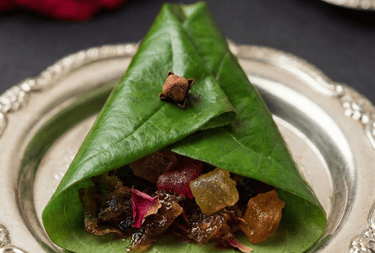
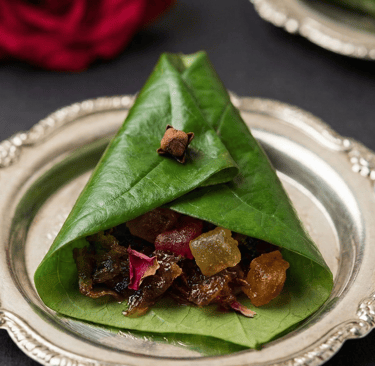
Presentation: It is folded into a neat triangle (gilori), often pinned with a clove, chilled slightly, and served on a small plate or tray.
Menu Innovation: Modern variations like "Chocolate Paan" (dipped in chocolate) or "Fire Paan" (lit on fire briefly before being put in the guest's mouth by a professional) are popular value-added items that create a memorable experience.
Mouth Fresheners (Mukhwas & Paan)
In India, mouth fresheners are called Mukhwas, which are edible after-meal preparations made from the words "mukh," meaning mouth, and "vas," meaning fragrance. It plays a variety of roles in the dining experience
The Two Primary Groups