Principles of Chinese Cookery
"In a Chinese kitchen, the cooking takes seconds, but the preparation is everything. Learn how to balance speed, texture, and the harmony of Yin and Yang." Principles of Chinese Cookery
HM NOTES
Principles of Chinese Cookery
Introduction:- Chinese cooking philosophy differs from Western cooking. In a Western kitchen, we often focus on slow cooking (roasting, stewing). In a Chinese kitchen, the focus is on Preparation (Mise en Place). Because the cooking process (stir-frying) takes only 2 minutes, the cutting and marinating must be perfect before the fire is even turned on. The goal is always Harmony: balancing colors, textures, and flavors (Yin and Yang).
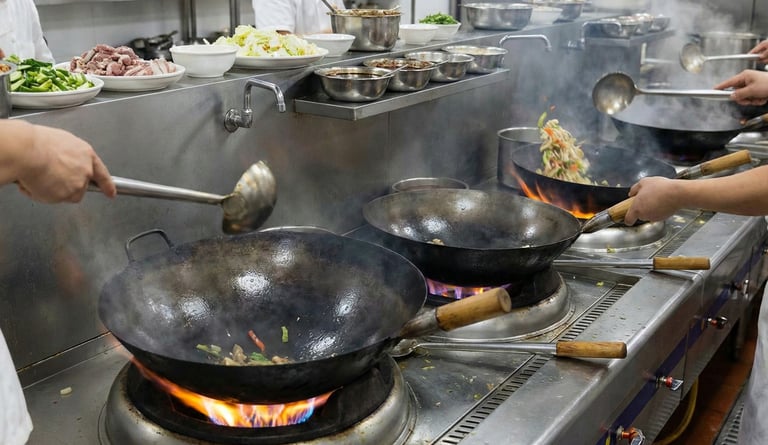
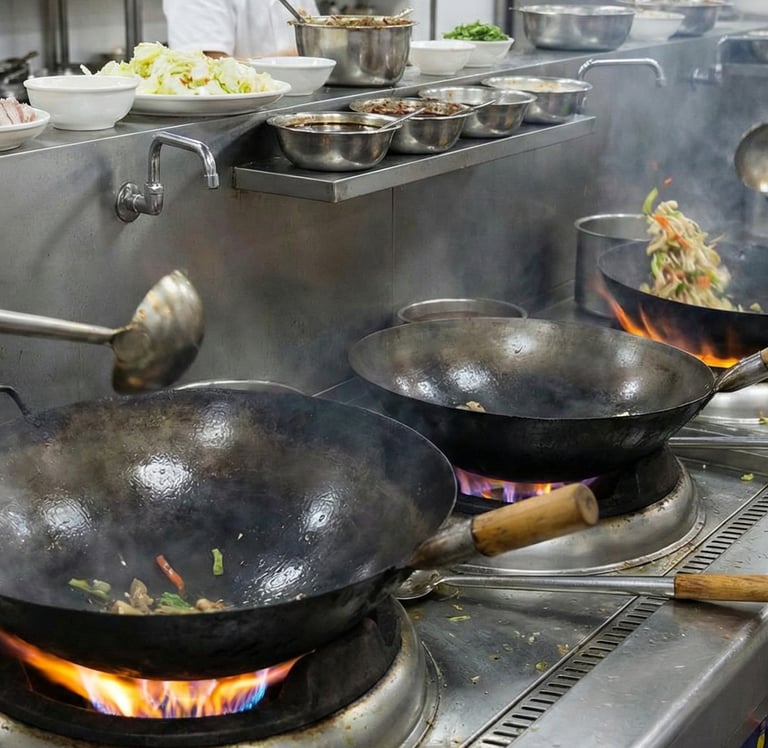
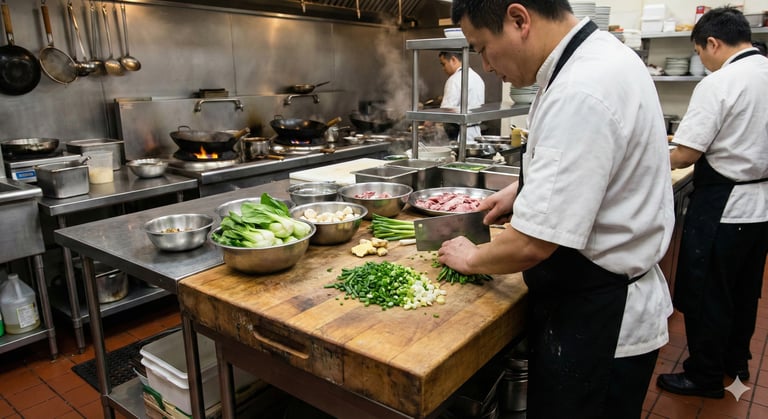
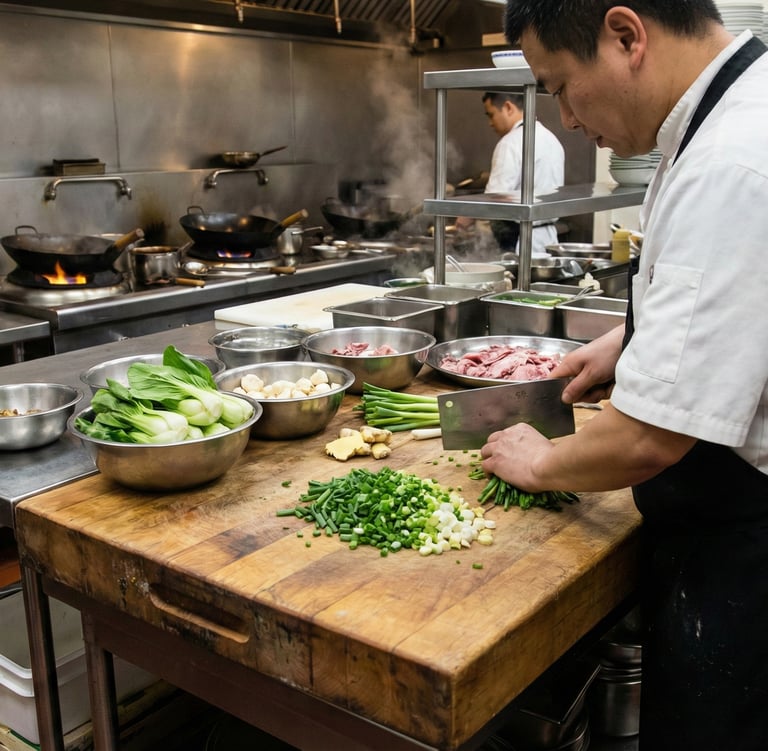
A Chinese kitchen looks and acts differently from other kitchen. It is designed for High Heat and Speed.
Layout and Planning of a Chinese Kitchen
The Wok Range (The Engine Room):
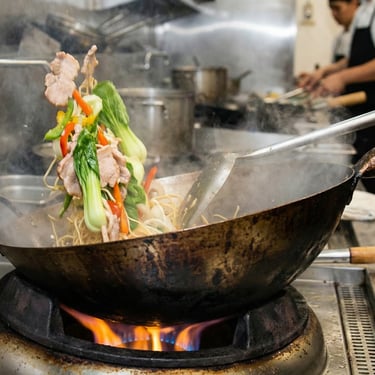
Unlike a flat stove, Chinese kitchens use a Wok Range. These are large circular burners that shoot a jet of flame (like a rocket).
The Water Cooling System: Because the heat is so intense, water constantly flows over the metal deck of the stove to keep it cool and to wash away food scraps.
Knee-Operated Taps: The chefs use their knees to turn water faucets on and off. This keeps their hands free to hold the heavy wok and shovel.
The Chopping Station (The Bench):
This is usually separate from the hotline. It requires large, thick wooden blocks (chopping boards) because Chinese chefs use heavy cleavers.
The Steam Station:
Located away from the hot oil to prevent cross-contamination of humidity. This area holds large multi-tiered steamers for rice and dim sum.
The Roast Section (Siu Mei):
A dedicated area with tall, vertical ovens (Apollo ovens) used for hanging ducks and pork strips (Char Siu).
The Head Chef (Da Chu): The boss. Creates the menu and guards the secret "Master Sauce" recipes.
The Wok Chefs (The Line):
No. 1 Wok: The "Star." Cooks the most expensive dishes (seafood, shark fin) where timing is critical.
No. 2 Wok: Cooks the meat and poultry dishes.
No. 3 Wok: The junior. Cooks noodles, rice, and vegetables.
The Chopper (Cheng An):
Very Important Role: Unlike in Western kitchens, where "prep" is for beginners, the Chinese Chopper is an expert. They decide the texture of the dish. If they cut the meat too thick, it won't cook in time. They also handle Velveting (marinating meat in egg white and cornstarch).
The Steamer (Dian Xin): Responsible for all steamed items, soups, and Dim Sum.
The BBQ Chef (Siu Mei): Responsible for marinating and roasting meats.
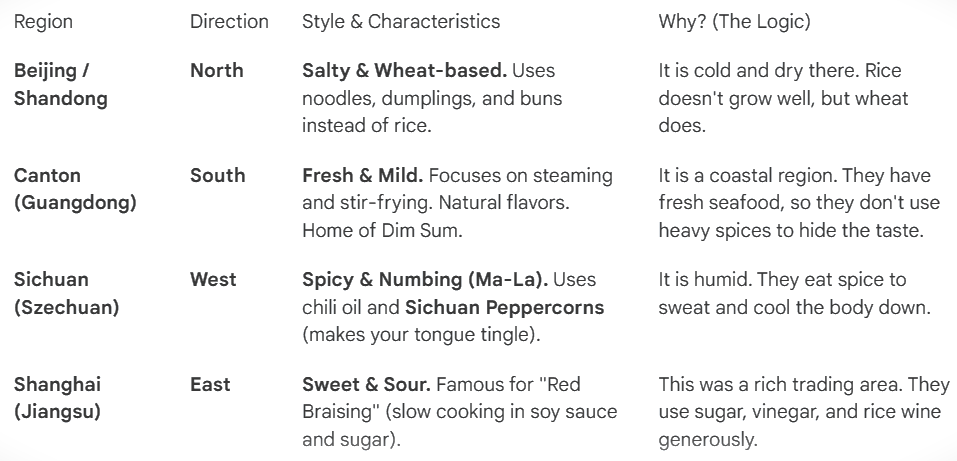
Various Regions and their Characteristics
(China is huge) To make it easy to remember, think of the compass (North, South, East, West).
Equipment Used in Chinese Cookery
Chinese chefs are famous for doing everything with just a few tools.
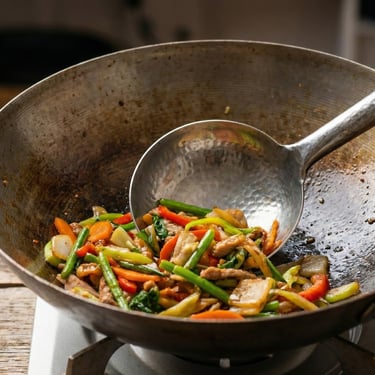
The Wok: A round-bottomed pan. It spreads heat evenly up the sides. It creates "Wok Hei" (the smoky flavor of the high heat).
The Cleaver (Tou):
Slicer: A Thin blade for cutting vegetables and boneless meat.
Chopper: Thick, heavy blade for chopping through bones (like chicken or ribs).
The Chan (Shovel): A metal spatula with a curved edge to fit the curve of the wok. Used for tossing.
The Hoak (Ladle): Used to add water/stock and to scoop the food out of the wok.
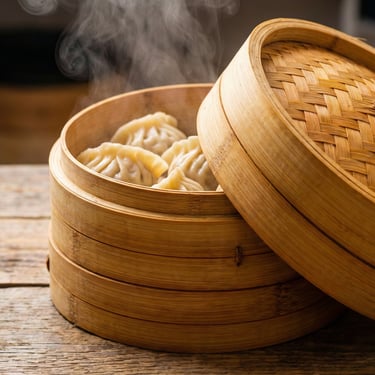
Bamboo Steamer: Stackable baskets. Bamboo absorbs water so condensation doesn't drip back onto the food (which would make buns soggy).
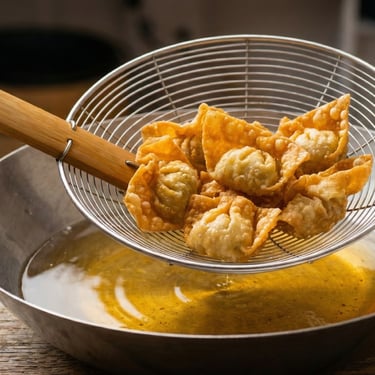
Spider Skimmer: A wire mesh strainer with a bamboo handle, used to lift fried food out of oil, and many more.........
These are the standard dishes every hotelier should know.
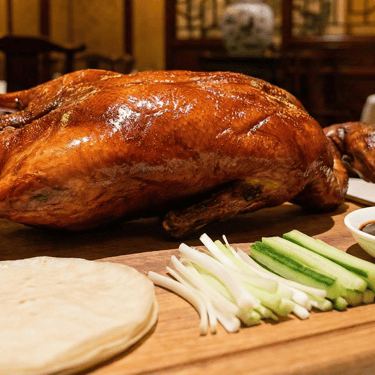
Peking Duck: The most famous dish. Air is pumped under the skin before roasting to make it crispy. Served with pancakes and Hoisin sauce.
Dim Sum: Small bite-sized portions served in steamer baskets (e.g., Har Gow - Shrimp dumplings). eaten with tea.
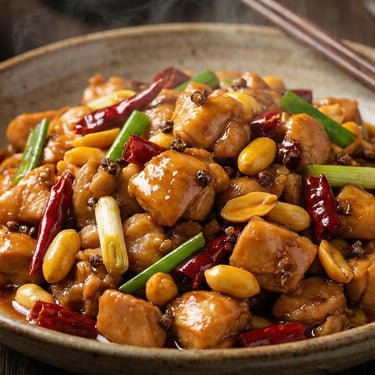
Kung Pao Chicken: Diced chicken with peanuts, dried chili, and vegetables.
Mapo Tofu: Soft tofu in a spicy chili-bean sauce with minced pork.
Sweet and Sour Pork: Pork battered, deep-fried, and tossed in a sauce made of vinegar, sugar, and fruit juice.
Beggar’s Chicken: A whole chicken wrapped in lotus leaves and clay/mud, then baked slowly.




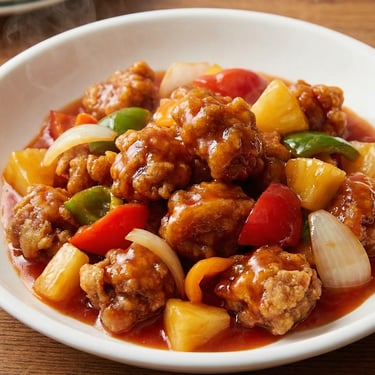
Classical Chinese Dishes
Staff Organization (The Kitchen Brigade)
The hierarchy is strict. In a Chinese kitchen, the person chopping the vegetables is often more senior than the person cooking them!